
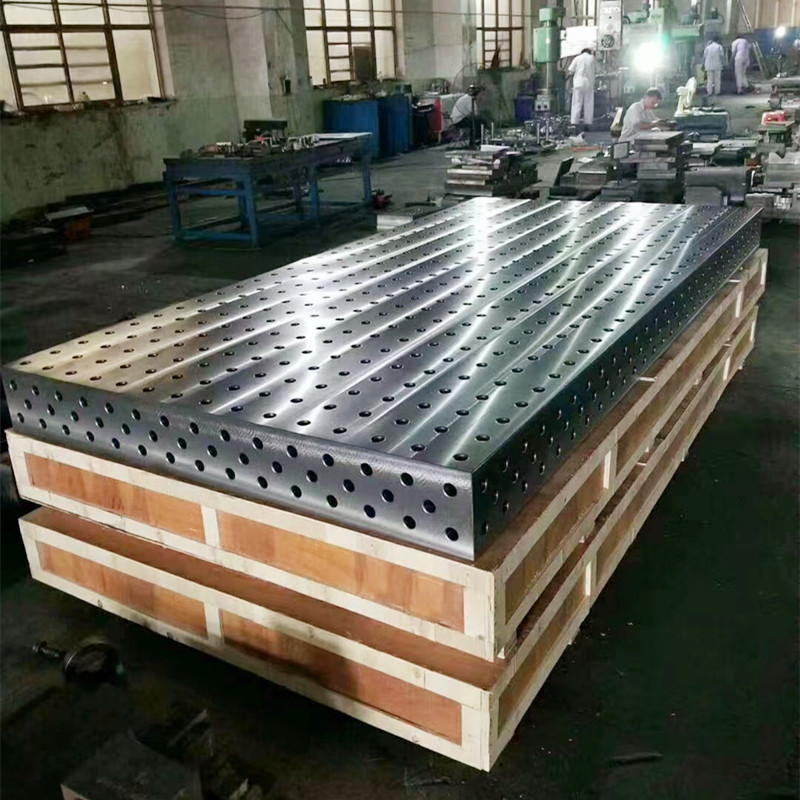
led mirrors for sale
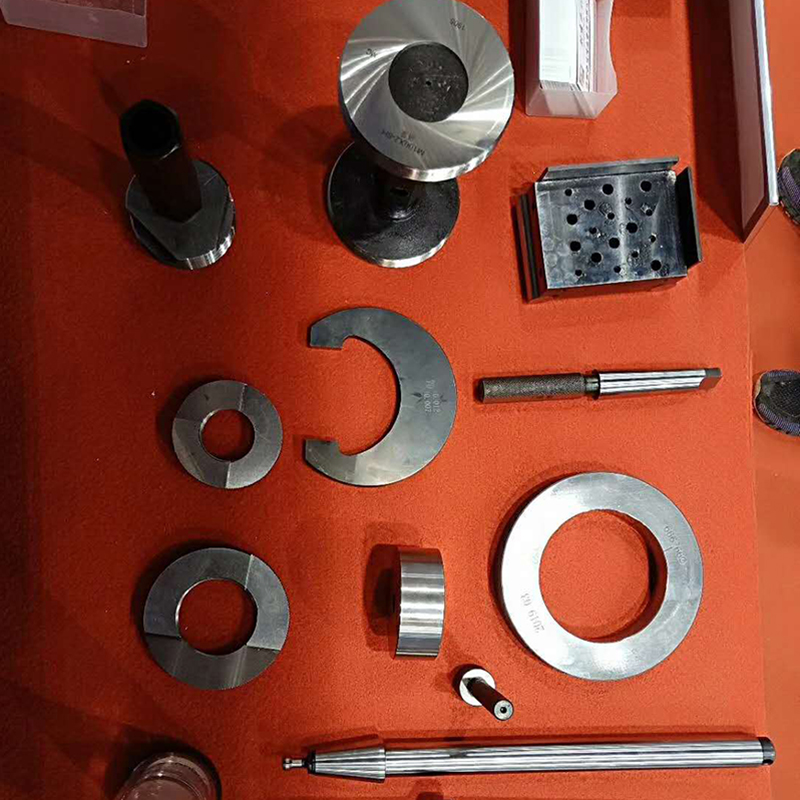
Go/No-Go Pin Gauge A Vital Tool for Quality Control In the world of manufacturing and quality control, precision is paramount. Engineers and quality assurance professionals are constantly in search of reliable methods to ensure that components meet their specified dimensions and tolerances. One of the most effective tools in this regard is the Go/No-Go pin gauge. This simple yet powerful instrument plays a crucial role in verifying the dimensional integrity of manufactured parts. Understanding Go/No-Go Pin Gauges A Go/No-Go pin gauge is a type of measuring tool used to determine if an object fits into a specified tolerance range. Essentially, it consists of two pins the Go pin and the No-Go pin. The Go pin measures the minimum acceptable dimension, while the No-Go pin measures the maximum allowable size. When a part is inserted into these pins, the outcome determines whether the part is acceptable or not. The fundamental principle behind the Go/No-Go gauge is to simplify the inspection process. Instead of relying on complex measuring instruments, operators can quickly and easily use these gauges to ensure that components meet critical specifications. This is especially important in industries such as aerospace, automotive, and electronics, where even the smallest deviation can result in significant failures. How It Works Using a Go/No-Go pin gauge is straightforward. The operator first inserts the Go pin into a hole or feature of the component being measured. If the pin fits easily and without force, the part passes the Go test, indicating that it meets the minimum requirement. Next, the operator checks the No-Go pin. If the No-Go pin fits into the same hole, the part fails the test, indicating it has exceeded the maximum allowable dimension. This binary method of measurement—pass or fail—makes Go/No-Go gauges extremely efficient. It eliminates the need for intricate calculations and reduces human error, allowing for a streamlined quality assurance process. go no go pin gauge Applications in Industry Go/No-Go pin gauges are widely used across various industries. In the automotive sector, they play a critical role in ensuring that engine parts, suspension systems, and safety features meet exacting standards. In aerospace, where safety is non-negotiable, these gauges help verify that components meet stringent regulatory requirements. Similarly, in the electronics industry, pin gauges ensure that connections and interfaces meet compatibility standards. Beyond these applications, Go/No-Go gauges are invaluable in any situation where dimensional conformity is critical. They are commonly used in machining, fabrication, and assembly processes, making them essential pieces of equipment for quality control departments. Advantages and Limitations One of the main advantages of Go/No-Go pin gauges is their simplicity. They are easy to use and require minimal training, allowing operators to quickly gain proficiency. They are also cost-effective compared to more sophisticated measuring devices. Additionally, the binary nature of the results allows manufacturers to implement quality checks swiftly without extensive data analysis. However, there are limitations to consider. Go/No-Go gauges do not provide specific measurements; they can only indicate whether parts fall within an acceptable range. Therefore, while they are excellent for basic quality checks, they may need to be used alongside more precise measuring tools for comprehensive inspection in critical applications. Conclusion In conclusion, Go/No-Go pin gauges are indispensable tools in the realm of manufacturing and quality control. They provide a practical solution for verifying dimensional accuracy, ensuring that components meet the required specifications. While they have limitations in terms of measurement precision, their ease of use and efficiency make them a staple in various industries. As manufacturing processes continue to evolve, the importance of reliable quality assurance tools like Go/No-Go pin gauges cannot be overstated. Maintaining high standards of quality not only reduces waste and rework but also ensures the safety and reliability of end products, ultimately benefiting both manufacturers and consumers alike.
about
led mirrors for sale
The Plain vs. Block Debate Perspectives on Design and Functionality In the world of architecture and design, debates often arise regarding the choice of forms, materials, and styles. One such ongoing discussion is the contrast between plain designs and block designs. This thematic exploration investigates the aesthetics, functionality, and cultural implications of these two diverse approaches, providing insight into why designers may favor one over the other. The Plain vs . Block Debate Perspectives on Design and Functionality Conversely, block design typically features bold shapes and pronounced volumes. This style thrives on robustness and geometric forms. Block structures can create a sense of presence and authority, often being utilized in commercial buildings, public spaces, and modern homes. The use of concrete, steel, and glass enhances the feeling of strength and permanence. Many architects, like Louis Kahn and Le Corbusier, have embraced block design to craft monumental structures that serve as both functional spaces and works of art. Block design can evoke a sense of modernity, innovation, and even playfulness when creatively employed. plain v block The choice between plain and block designs can significantly impact the functionality of a space. Plain designs may be more adaptable, allowing for easier integration of various furnishings and decor styles. They provide a versatile backdrop that can easily be modified as needs change. In contrast, block designs often impose a specific character on a space, making it more distinctive and memorable. This can be advantageous in creating landmark buildings that define a city’s skyline or cultural identity. Furthermore, cultural context plays a pivotal role in determining the preference for plain versus block designs. In some regions, plain designs may reflect a desire for harmony with nature and sustainability, aligning with local values and traditions. Simplicity can symbolize a return to fundamental human experiences, promoting a sense of belonging and peace. On the other hand, block designs might resonate with urban populations that seek to express progress, innovation, and individuality in rapidly evolving environments. However, the debate between plain and block design is not merely about aesthetic preference. It often reflects broader societal trends and values. For example, during periods of economic prosperity, block designs may become more popular as people celebrate wealth and status through imposing architectural statements. Conversely, during times of economic uncertainty, plain designs might gain favor as communities seek comfort and stability through simplicity. In conclusion, the conversation surrounding plain versus block design encapsulates much more than personal style preference; it reveals deeper insights into cultural values, societal trends, and the psychological impacts of architecture. Each design philosophy carries its unique strengths and weaknesses, and the ultimate choice often depends on specific contextual needs. As designers continue to push boundaries and explore hybrid forms, the interplay between plain and block will remain a central theme in the evolution of architecture and design, continually shaping our built environment. The richness of this debate invites not only architects but also the public to engage in understanding and appreciating the spaces we inhabit.
-

High quality industrial productsagement

High quality industrial products
View Details -

Meet the diverse needs of customers

Meet the diverse needs of customers
View Details -

Strict quality control

Strict quality control
View Details -

Top raw materials

Top raw materials
View Details -

Trusted supplier

Trusted supplier
View Details
Our application



news and information
Válvula borterilha de 1,5 polegadas para aplicações industriais e de encanamento.
Válvula Borboleta de 1.5 Polegadas Um Componente Essencial na Indústria As válvulas borboleta desemp
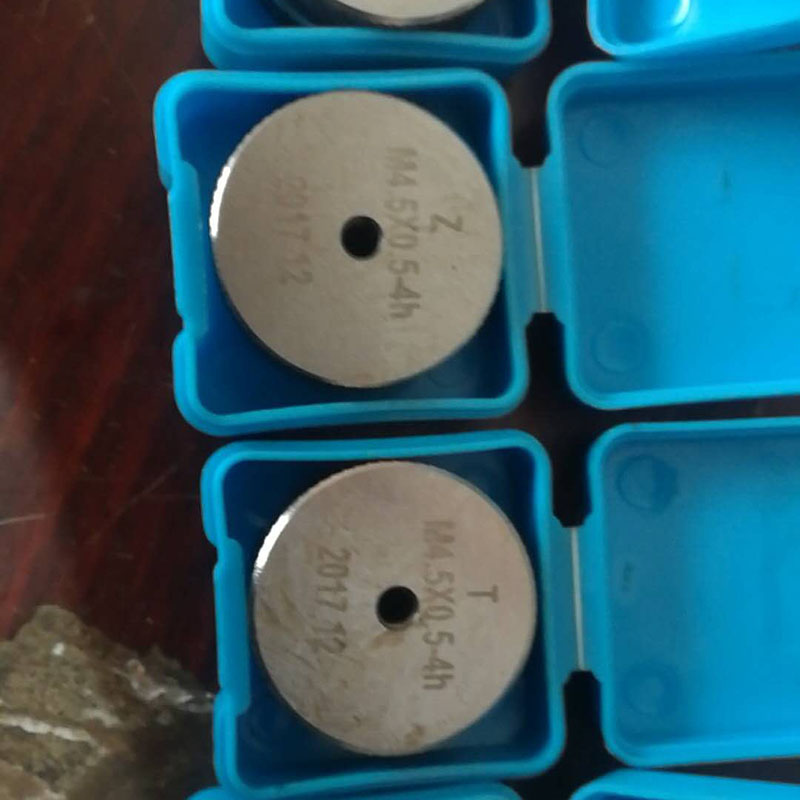
Válvula de puerta de 450mm
Válvula de compuerta de 450 mm Una Solución Eficiente para el Control de Fluido Las válvulas de comp
Venda de válvulas de retenção
Válvulas de Retenção A Escolha Perfeita para Seu Sistema Hidráulico As válvulas de retenção, também
 English